
Pet Adoption 101: Navigating the Journey to Finding Your Perfect Fur-Ever Friend


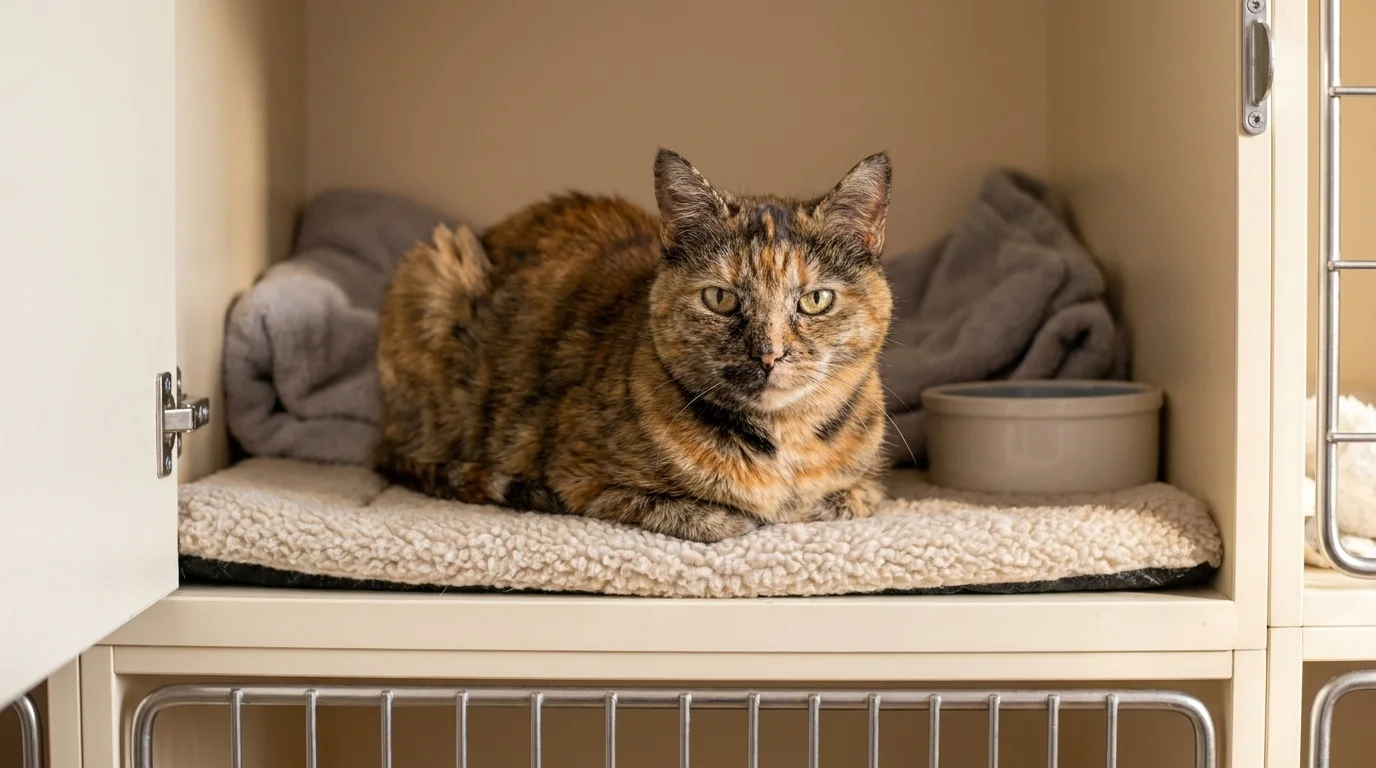
The eight-year-old tortie at the back of the shelter has been there for nine months. She is healthy. She is friendly with the volunteers. She is, by the standards her species cares about, a perfectly good cat. She has been at the shelter for nine months because every family that walks through the kennels asks about the kittens first, and because pet adoption culture has trained both shelters and adopters to read "youngest" as "best" — when in truth an eight-year-old cat is the lowest-risk, lowest-energy, highest-information animal they could take home: temperament known, health history documented, personality already settled, training already done. The kitten next door who arrived yesterday will be adopted by the weekend. The tortie will still be there.
I spent six years managing a shelter cat program in the west of Ireland focused on exactly that animal — the long-stay resident — and I want to start this guide with her because almost every "pet adoption" article on the web is written for the person looking at the kitten next door, and the result is that the tortie keeps waiting. This guide is for both readers, but it tries to be honest about what's at stake.
The state of US shelters in 2026
The numbers have moved since the last general guide on most pet sites was written, and the direction is mixed but mostly hopeful. More than 2 out of 3 US shelters (68%, an all-time high) reached the 90% save-rate "no-kill" benchmark in 2025, the first time the majority of the country has crossed that line (Best Friends Animal Society shelter statistics). Nearly half of Texas shelters — the second-largest shelter state in the country — hit that benchmark for the first time in the same year (Best Friends — Texas no-kill story).
At the same time, the underlying intake numbers remain heavy. 5.8 million dogs and cats entered US shelters and rescues in 2024 — 60% as strays, 29% surrendered by owners — and 4.2 million were adopted, with about 607,000 (334,000 dogs and 273,000 cats) euthanized, a 2% decrease from 2023 (ASPCA US Animal Shelter Statistics). Best Friends' 2025 mid-year data showed dog killings down 20% and cat killings down 18% versus the first half of 2024 — the first dog-side improvement since 2020 (Best Friends 2025 Mid-Year Report).
The framing Best Friends puts on the same data is the one that has stayed with me: at current rates, a dog or cat is killed in a US shelter every 90 seconds (Best Friends homepage). The 2025 turnaround is real and the trajectory is the best it has been in five years — but the number on the other side of "improving" is still that.
The pool of potential adopters is the largest it has ever been: 95 million US households (71.6%) now own at least one pet, up from 82 million in 2023 (World Animal Foundation summary of APPA 2026). The capacity exists. The matching is the work.
What you're committing to
A few honest sentences before the procedural detail. Adopting a pet is a 10–20 year commitment for dogs and 12–20 years for cats. Over that span the all-in financial number for a moderate-care household is roughly $15,000–$30,000 for a dog and $10,000–$20,000 for a cat, derived from the per-year ranges below. The first year is the highest-spend year — adoption fee, one-time setup, initial vet — and after that the recurring numbers flatten until senior care.
The biggest predictor of a successful adoption is not love. It is the question of whether the household has the time, the spatial set-up, the financial cushion, and the household consensus to absorb a difficult month — because there will be a difficult month, and the animals that come back to shelters are almost never returned for love-related reasons. They are returned for behavior the household was not prepared for, for time-conflict reasons, or for landlord reasons. All three are predictable.
Where to look
Three categories of source. They are not interchangeable.
Municipal shelters and humane societies house the largest share of available animals — usually with the broadest age range, the shortest documented histories (for strays especially), and the lowest fees. The infrastructure is wide: nearly 5,000 animal shelters and more than 9,500 rescues operate nationally (ASPCA Adoption Tips). Best signal for finding yours: search "your city animal services" and "your county humane society" — both will turn up.
Breed and species-specific rescues are where you go if you need a particular animal — a sighthound, a snowshoe cat, an English Bulldog with the documented respiratory history a brachycephalic breed actually requires. These groups foster animals in volunteer homes, so they know the temperament more deeply than a shelter does. Fees are usually higher, screening is more stringent, and waits are longer.
The two national listing databases: Petfinder networks 14,500+ shelters (Petfinder.com) and Adopt a Pet networks 15,000+ shelters and rescues (Adoptapet.com). Between them they cover essentially every accredited US shelter. Use both — neither has 100% coverage in every region, and the search interfaces handle filters differently.
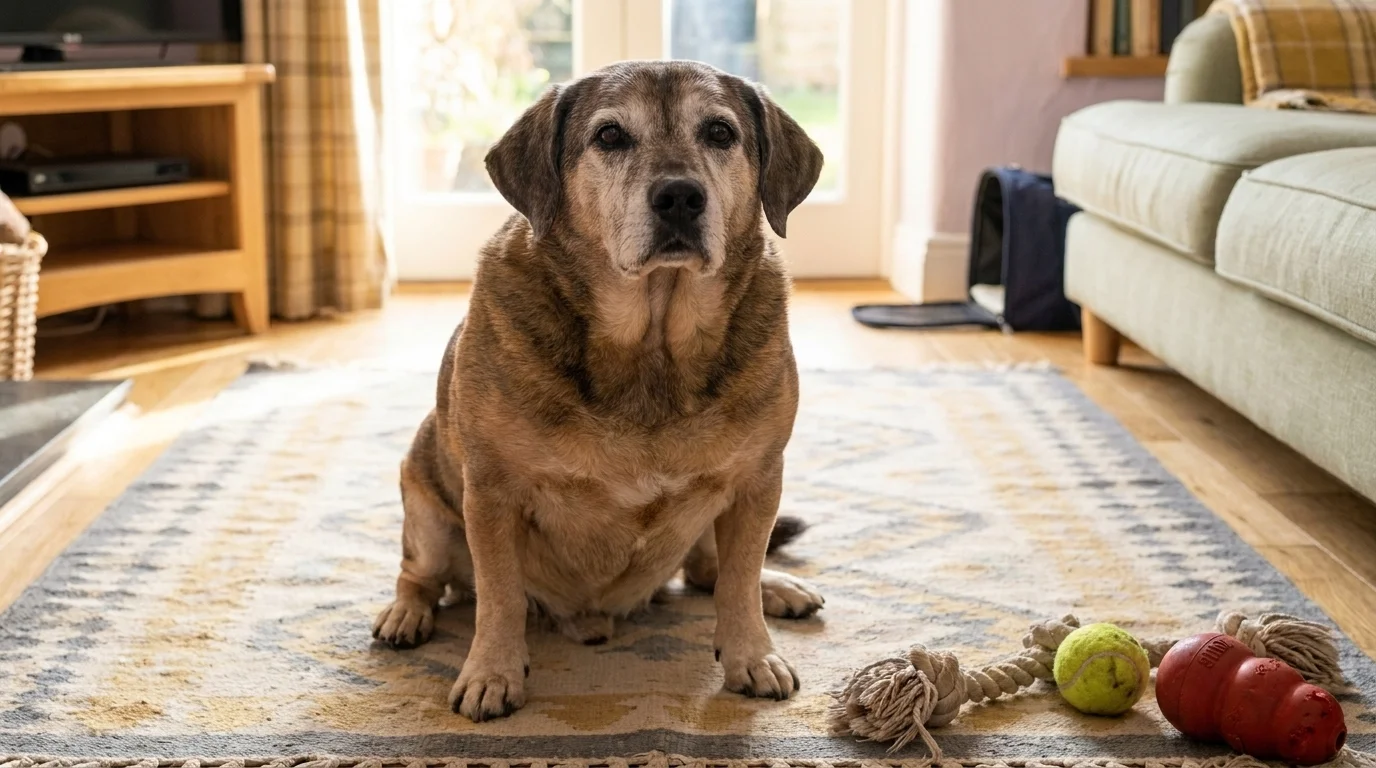
A note on what I learned over six years in a shelter: the animals who are best for first-time adopters are almost never the animals in the listings photos. The shy senior tortie, the seven-year-old beagle mix, the cat returned from her last home because she is "shy" — these are the lowest-risk animals in the building, and shelter staff are usually relieved when someone asks about them. Ask. Always ask staff which long-stay resident they would put with your specific household.
What pet adoption actually costs in 2026
The single most under-covered question in this category. Here are real ranges from US humane societies in 2025–2026:
Adoption fees (Hamilton County Humane, Humane Society of Greater Dayton, Nashville Humane):
| Animal | Typical fee range | What it includes |
|---|---|---|
| Adult cat | $25–$115 | Spay/neuter, microchip, initial vaccines, sometimes FeLV/FIV test |
| Kitten | $100–$175 | Same, plus age-appropriate vaccine series |
| Adult dog | $35–$375 | Spay/neuter, microchip, initial vaccines, sometimes heartworm test |
| Puppy | $110–$175 | Same, plus age-appropriate vaccine series |
| Senior pet | Often fee-waived | Same medical inclusions; many shelters waive fees for 7+ years |
| Special needs | Often fee-waived | Same medical inclusions; some shelters subsidise initial vet costs |
A frame that matters: adoption fees typically cover less than one-third of the actual per-animal care cost the shelter has absorbed (HS Dayton adoption process). The fee is subsidised. You are not buying an animal; you are contributing to the operation that has been keeping her alive.
One-time setup: $300–$700 for a dog (crate, bed, leash, harness, bowls, ID tag, initial training class), $150–$350 for a cat (litter box × 1 more than you have cats — the +1 rule — litter, food bowls, water fountain, cat tree, carrier, ID tag).
First-year veterinary care: $300–$700 for routine work — initial exam, vaccine boosters, parasite prevention, dental check, baseline blood work for older animals. A senior or special-needs adoption may double this in year one; budget accordingly.
Monthly recurring: $60–$110 for a dog (food, preventatives, occasional treats; insurance optional and adds $30–$60), $40–$70 for a cat (food, litter, preventatives, the occasional toy that survives a week).
First-year all-in estimate: $1,500–$3,000 for most adoptions, more for puppies and large breeds. The number drops to the monthly recurring range from year two onwards, until senior care begins.
The adoption process — what actually happens
There is no national timeline because there is no national shelter. But there is a typical sequence, and knowing it removes most of the anxiety first-time adopters bring.
Step 1 — Browse listings. Petfinder and Adopt-a-Pet first, then your local municipal shelter's own site, then any breed-specific rescue if you are looking for a particular type of animal. Pre-applications at major regional humane societies are commonly valid for 90 days (San Antonio Humane Society), so it is worth filing the application before you have picked an animal.
Step 2 — Submit a pre-application. Most shelters now run online applications. The form will ask about housing (own/rent, landlord permission if renting), household composition, current and previous pets, work schedule, time alone, fenced yard if applicable, and references — usually a veterinarian and one or two personal references.
Step 3 — Screening. This is the part the SERP does not explain well. Screening typically runs 3–14 days depending on the shelter's volume, and the shelter is checking a small handful of things:
- Landlord permission for renters. This is the single most common stumbling block. Bring the email or letter to the meeting; do not assume verbal permission is sufficient.
- Current pets' vaccination and spay/neuter status. Most shelters will call the vet listed as a reference. Lapsed vaccines are a common cause of delay or denial.
- Household consensus. Shelters increasingly ask that everyone in the household be on the application, or at least named. A spouse who "hasn't agreed yet" is a frequent return-within-30-days predictor.
- Match to the specific animal. The denial that confuses applicants most: "this dog is a good dog and you are a good home, but for a different dog." Energy-level mismatches, kid-friendly mismatches, and existing-pet-compatibility mismatches are real reasons. They are not personal.
If a denial comes through, almost every shelter allows re-application against a different animal — and most will tell you, if asked, what to address. The honest conversation is worth more than a strongly-worded email.
Step 4 — Meet-and-greet. For dogs, almost always required; bring existing dogs if you have them. For cats, often optional, sometimes encouraged. Most shelters allocate 30–60 minutes for a first introduction in a quiet meet-and-greet room.
Step 5 — On-site finalization. Adoption transactions typically take 1–2 hours on-site (Nashville Humane). Bring: a photo ID, proof of address, the spouse or partner if they are on the application, a method of payment (most shelters accept card; cash and check vary), and for dogs, a properly-fitted slip lead or harness — shelter leashes are loaners. Take-home supplies usually include a few days of the food the animal has been on, copies of vaccine records, the microchip registration, and a written behavior summary from the staff or foster who has been working with the animal.
Foster-to-adopt — the lower-risk path
This is the option I recommend to almost every first-time adopter, and it is the option the SERP under-explains.
Most shelters now run foster-to-adopt programs: you take the animal home on a 7–14 day trial with no adoption fee. At the end of the trial, if you decide to adopt, the standard fee applies (sometimes credited against any food or supplies the shelter has provided). If the match does not work, you return the pet without penalty, and the shelter has gained a documented behavior report from a real home environment, which materially helps the animal's next placement.
The reasons to prefer foster-to-adopt:
- The animal's behavior in a shelter is not her behavior in your home. Shelter stress masks personality in both directions — some withdraw and look "low-energy," some over-arouse and look "reactive." A week in a calm home shows you who she actually is.
- You can stop without the guilt of a "return." A foster-to-adopt return is not a failure. It is the program working.
- The shelter prefers it. Foster-to-adopt placements have lower long-term return rates than direct adoptions, particularly for adult dogs and adolescent cats.
Not every shelter advertises foster-to-adopt programs on their website. Ask directly. The answer is yes more often than the website suggests.
Choosing the right pet for your life
A decision matrix, because the generic "pets of all ages" framing every other site uses is exactly what makes the wrong adoption likely. Pick the row that matches your household; then ask the shelter for animals in that row.
| Category | Energy needs | Training time | Typical fee | Best for | Hidden cost |
|---|---|---|---|---|---|
| Puppy (under 12 mo) | 4–6 hr/day attention; structured exercise (5-min rule until growth plates close) | Daily; 6–18 months house-training; socialisation window critical | $110–$500 | Households with consistent adult presence; experienced dog owners | Sleep loss; furniture; replacement plants; year-one vet $400–$700 |
| Adult dog (1–7 yr) | Breed-dependent; usually 1–2 hr/day | Partial; most are house-trained; refinement only | $35–$200 | First-time adopters; busy households | Possible legacy behaviors; vet baseline may show prior care gaps |
| Senior dog (7+ yr) | Low-impact; 30–45 min/day | Almost always trained; new cues are easy | Often fee-waived | Calm households; people who work from home; first-time owners | 2–5 year horizon; senior-specific vet ($800+/yr eventually) |
| Kitten (under 12 mo) | 5–10 short play bursts/day | Litter trained typically; bite-inhibition and adolescent boundary-testing | $100–$175 | Households with another resident cat (kittens do best in pairs) | Curtain damage; vet schedule year one |
| Adult cat (1–10 yr) | 5–10 min wand play 2×/day | Already settled; new house = decompression | $25–$115 | Most households, including small flats, first-timers, working schedules | Usually almost none — the safest first cat |
| Senior cat (10+ yr) | 5 min low-intensity wand 2×/day; warmth and quiet | Trained, settled, often very gentle | Often fee-waived | Quiet households, retirees, people working from home | Possible arthritis, hyperthyroid, CKD vet workup ($300–$600) |
| Special-needs (any age) | Variable; ask the shelter | Variable; ask the shelter | Often fee-waived; some shelters subsidise initial vet | Households with the bandwidth and budget; very rewarding | The honest one — costs can be substantial; ask for detail upfront |
A note from my shelter years on the two categories the SERP under-represents:
Senior pets, especially senior cats, are the lowest-risk adoption in the building. Their personality is known. Their medical baseline is documented. They have been the same animal for years and will be the same animal for the years they have left. The horizon is shorter, which is a real consideration — but the "what you will get" certainty is the highest of any age bracket, and the gratitude these animals show in a calm home is documented by every shelter that places them.
Special-needs adoptions — a diabetic cat, a tripod dog, a deaf or blind animal, a cat with a managed chronic condition like CKD — are the right adoption for a smaller number of households, but they are deeply rewarding for those households. Ask the shelter for the medication-cost detail in writing before committing. The animal will have lived with the condition longer than you have. They are usually managing it better than first-time owners expect.
Preparing the home — adoption-day checklist
Before the animal arrives:
- A confined "decompression" space. For dogs, a crate or a small room with the door closed; for cats, a single quiet bedroom with the door shut for the first 3–7 days. The temptation to "show her the whole house" on day one is the most common day-one mistake.
- The food she has been eating at the shelter, for the first 7–10 days. Diet transitions cause GI upset; staging the transition reduces day-three vomiting.
- For dogs: a properly-sized crate, a martingale or harness (no choke or prong), a 6-foot leash, two bowls, a chew toy, a few high-value treats.
- For cats: one more litter box than you have cats (+1 rule — non-negotiable), unscented clumping litter unless the shelter has been using something different, a hiding spot at floor level and one at height, food and water at opposite ends of the room (cats do not drink near their food), a scratching post that is taller than the cat at full stretch.
- A vet appointment booked for week 1, even if the shelter sent her home with current vaccines. This is the relationship-establishing visit, the post-spay check, and the baseline weight measurement. Do not skip it.
The first three days, three weeks, three months — the 3-3-3 rule
The most useful framework in the post-adoption literature, and the one most shelters now teach explicitly. It is also the framework that prevents the largest single category of returns: returns at days 10–14 because the household thought something was wrong.
Days 1–3 — Overwhelmed. Expect: hiding (cats especially), refusing food the first 24 hours, sleeping a great deal, jumpy reactions to ordinary household sounds, no apparent personality. This is not the animal you are getting. This is the animal moving through dislocation. Do not invite people over. Do not move her around the house. Let her come to you.
Weeks 1–3 — Settling. Expect: appetite returns, personality begins to emerge, the first signs of preference (a favoured spot, a favoured person, a favoured toy), and the first behavior surprises — house-training regressions in dogs, litter-box hesitations in cats, food-guarding or resource-guarding signs that were invisible at the shelter. This is the phase that requires the most patience and the lowest expectations. Behavior emerging in week two is not a "problem"; it is information.
Months 1–3 — Bonding. Expect: the animal you have adopted to gradually reveal who she is. Cats often "land" around the 8–12 week mark — the period where the new household stops being "the unfamiliar place" and starts being home. Dogs vary; some bond inside a month, some take three. The right marker is not affection (that is mostly on her schedule) but predictability — knowing what she will do at 6 a.m., at the door, in the presence of a stranger, when the cat-carrier comes out.
If the animal is still hiding or showing serious distress in week four, that is the point to call the shelter's behavior team or a credentialed behaviourist (CCBC for cats, CAAB or veterinary behaviourist for dogs). Most shelters offer free post-adoption behavior support — use it.
If you are not ready yet
I would rather you fostered for six months than adopted next week into a household that is not ready. Fostering is the single best way to learn whether your household can absorb an animal — and shelters need foster homes desperately, especially for medical-recovery cases, mothers with kittens or puppies, and long-stay residents who do better outside the kennel environment.
Volunteering for a TNR (trap-neuter-return) collective or a local shelter is the second-best entry point. The work is unglamorous — laundry, kennel cleaning, transport runs — and it teaches you what shelter life actually looks like in a way that no adoption application can communicate.
Donating, if you have neither time nor space, is also doing something real. The fee that subsidises a third of a stranger's adoption is the donation from the year before.
A closing note
The eight-year-old tortie I started with did get adopted eventually — by a recently widowed woman who came in asking for "a cat who would sit on the sofa with me." We brought out three. The tortie didn't move from the volunteer's lap during the introduction, but she watched the woman the whole time, and the woman watched her back. They went home that afternoon. Both of them, I am told, were exactly fine.
The right adoption is not the kitten in the listings photo. It is the animal whose actual needs match your actual household. The shelters know which one that is. Ask them.
Frequently Asked Questions
Adoption fees typically run $25–$115 for cats and $35–$375 for dogs depending on age, breed, and shelter — fees usually include spay/neuter, microchip, and initial vaccines, but cover less than one-third of actual care cost. Plan for $300–$700 in one-time setup, $300–$700 in first-year vet care, and $40–$110 per month after that. First-year all-in for a moderate-care household runs $1,500–$3,000.
Most adoptions take 3–14 days from application to take-home. Pre-applications are reviewed for housing stability, current-pet vaccinations, and household consensus; meet-and-greets and reference checks add 1–7 days; the on-site finalization itself takes 1–2 hours. Pre-applications at major regional humane societies are commonly valid for 90 days.
It's a decompression framework most shelters now teach: in the first 3 days a new pet feels overwhelmed and may hide or refuse food, in the first 3 weeks they begin to settle and show personality, and in the first 3 months they fully bond. Expect setbacks in weeks 1–3 — they're information, not problems. If a new pet is still showing serious distress in week four, call the shelter's behavior team or a credentialed behaviourist.
The most common reasons are inability to verify rental permission, gaps in current-pet vaccinations, household members not on the application, or a mismatch between the pet's specific needs and the home (energy level, household size, time alone). Most shelters allow re-application against a different animal, and most will tell you, if asked, what to address.
Adult dogs (1–7 years) are usually the safest first adoption — temperament is known, training is partial, and adoption fees are lower ($35–$200 vs. $110–$500 for puppies). Puppies require 4–6 hours of daily attention for the first six months plus structured exercise governed by the 5-minute rule until growth plates close. Senior dogs (7+) are the most overlooked and often the most rewarding — and shelters routinely waive their fees.
Yes, and it's the lowest-risk path for first-time adopters. Most shelters offer a 7–14 day trial where you take the pet home with no fee; if you decide to adopt, the standard fee applies; if it's not a fit, you return the pet without penalty. Not every shelter advertises the program on their website — ask directly. Foster-to-adopt placements have lower long-term return rates than direct adoptions.