Raw Diet Vs. Commercial Foods: Navigating the Nutrition Maze for Pets


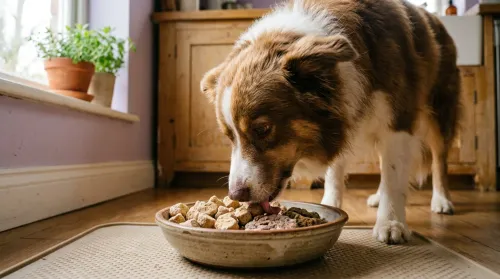
Owners ask me about a raw diet for dogs more than almost any other feeding question, and they usually arrive having already read two internet versions of the truth: raw is ancestral and miraculous, or raw is a bacterial death trap. The honest answer sits in between, and as of early 2026 we finally have a fresh piece of evidence that sharpens it. So let's do raw dog food vs. kibble the way I'd do it in the exam room — what the literature actually shows, what I've seen, and where the line is between watch-and-learn and call-your-vet-first.
A note before we start: this is general information, not a feeding plan for your individual dog. Diet decisions — especially for puppies, seniors, and dogs with existing conditions — belong in a conversation with your own veterinarian or a board-certified veterinary nutritionist.
What the newest evidence actually shows
In February 2026, BMC Veterinary Research published a study of 104 healthy dogs comparing raw meat-based diets to commercial kibble (von Lindeiner et al.). The headline finding is the most concrete data point we have: raw-fed dogs had a leaner median body condition score — BCS 5, which is ideal — versus BCS 6 (overweight) for the kibble-fed group, a statistically significant difference (BMC Veterinary Research, 2026).
That is a real, measurable upside, and I won't pretend otherwise. But the same study found the catch in the same dataset: those raw rations carried a suboptimal calcium-to-phosphorus ratio (median 1.0 against a recommended 1.4) and ran low on trace minerals — manganese at roughly 18% and iodine at roughly 13% of recommended intake. I'd label the strength of this evidence as moderate: it's observational, with owner-reported intake, in dogs eating their diets for at least a year. It is not a controlled trial.
The balanced takeaway, which neither the pro-raw advocacy pages nor the anti-raw safety pages will give you: a well-managed raw diet may keep a dog leaner, but raw rations as people actually feed them are easy to get nutritionally wrong. The benefit is real and the deficiency is real, and the deficiency is the correctable one.
A word on the other commonly cited benefits — shinier coat, cleaner teeth. Owners report them, and I've heard it in the exam room, but those claims remain scientifically unsupported in the way the body-condition finding is now supported. I'd file them under "plausible, unproven," not fact.
Raw vs. kibble: the honest comparison
Commercial kibble takes a lot of internet abuse, and some of it confuses "I don't like the marketing" with "this is bad food." Here's the part that matters: a complete-and-balanced commercial diet has been formulated to meet AAFCO nutrient profiles, which is precisely the bar the homemade raw rations in the BMC study struggled to clear. That doesn't make kibble glamorous. It makes it the predictable, tested baseline — and predictability is worth something when the alternative's failure mode is a mineral deficiency you can't see.
Raw's potential advantages are body condition and palatability. Its costs are nutritional precision, food-safety risk, and money. That's the real trade, stated plainly.
Is raw dog food safe?
This is where I stop hedging, because the 2025–2026 news cycle made the safety question concrete in a way it wasn't before. Avian influenza (H5N1) turned raw pet food into a documented public-health story: Northwest Naturals recalled a feline turkey product in December 2024, Wild Coast Raw recalled frozen chicken in March 2025, and RAWR Chicken Eats followed in September 2025 — with confirmed cat deaths from H5N1-contaminated raw poultry. The FDA now requires manufacturers using uncooked poultry or cattle material to treat H5N1 as a known or reasonably foreseeable hazard in their food-safety plans (FDA Center for Veterinary Medicine; AVMA).
That's not a one-pathogen problem. The FDA's Center for Veterinary Medicine has found that roughly one in three frozen raw pet diets purchased online carried pathogen contamination, about 10% of canine raw products in a University of Pennsylvania study contained antibiotic-resistant bacteria, and — this is the part owners miss — roughly half of Salmonella-shedding dogs in a 2017 study appeared perfectly healthy (Cornell Riney Canine Health Center). So "my dog seems fine on it" is not evidence the food is clean; an asymptomatic shedder can still pass bacteria to the humans in the home.
The major veterinary bodies have not moved off this. The AVMA discourages feeding any raw or undercooked animal-source protein to cats and dogs, on the grounds of illness risk to both pets and people. I'm reporting their position, not softening it.
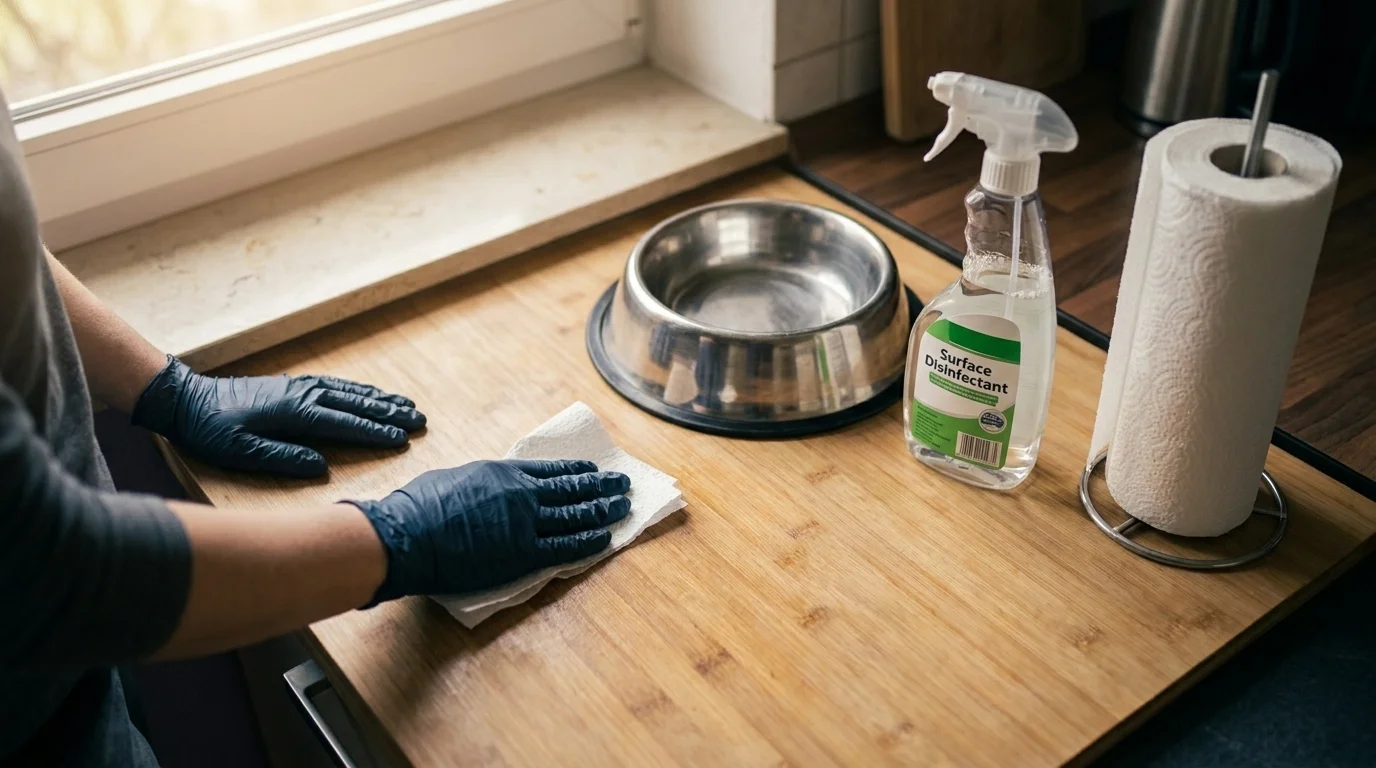
If you do feed raw, Cornell's guidance is the right mental model: "treat it like any other raw meat that you would buy for your family." Contain splashes, disinfect bowls and prep surfaces, wash your hands, and don't let the dog lick faces right after eating.
Who should not feed or handle raw
Some households carry more risk than others, and this is a genuine medical caution, not a preference. Per Cornell and CDC guidance, homes with immunocompromised members, pregnant people, very young children, or elderly family members should be especially cautious about handling raw pet food — the contamination risk lands hardest on exactly those people. If that describes your household, the safety math tilts firmly toward a cooked, complete diet.
Freeze-dried raw: the middle ground, honestly
Searches for freeze-dried raw dog food are up about 236% year over year, and it's easy to see the appeal: shelf-stable, easier to handle, less freezer real estate. It gets marketed — and widely assumed — to be the "safe raw" option.
It isn't, and I'd rather correct that here than let you find out the hard way. As Cornell puts it, "Freeze-drying is not equivalent to cooking. In fact, it's the opposite." Freeze-drying removes water; it does not reliably kill pathogens. So freeze-dried raw can be a reasonable convenience choice for an owner committed to raw, but it deserves the same handling caution as frozen raw — not a free pass.
The 80/10/10 ratio: a starting point, not a complete diet
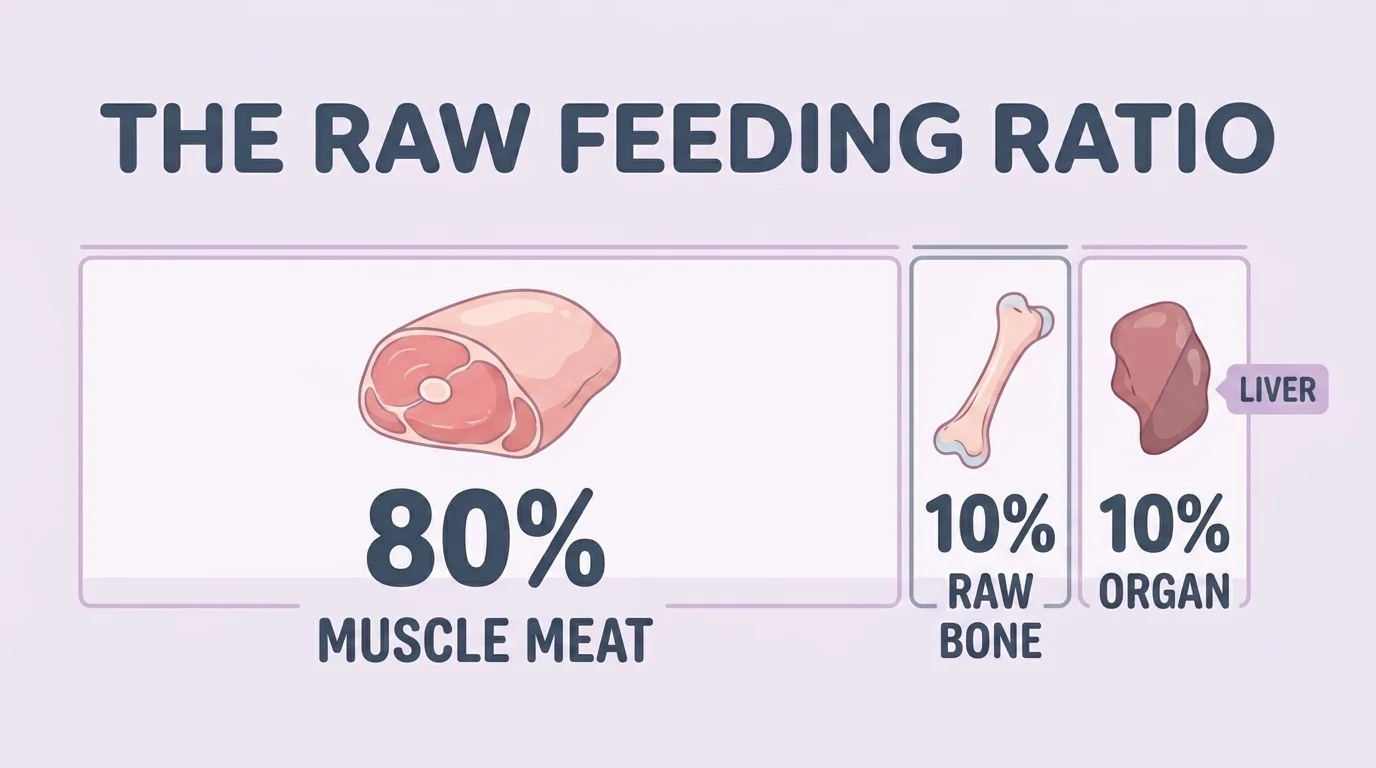
If you've read anything about home-prepared raw, you've met the 80/10/10 formula: 80% muscle meat, 10% raw edible bone, and 10% organ (with about half of that organ being liver), typically fed at around 2–3% of a dog's ideal adult body weight per day (ProDogRaw).
Here is the caveat the recipe blogs tend to bury: 80/10/10 is a framework for the meat portion, not a guarantee of a complete, balanced diet. On its own it does not reliably supply the full vitamin and trace-mineral profile a dog needs — which is exactly the gap the BMC study measured. Practitioners who feed this way rely on "balance over time" and added supplements, and that only works if someone is actually doing the nutritional math. This is precisely the point to involve a board-certified veterinary nutritionist rather than a chart you found online.
What raw feeding actually costs
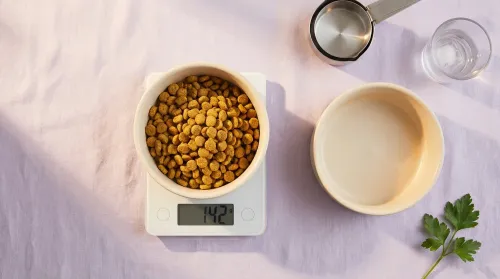
I'll be honest about cost the way the product pages won't: raw feeding generally costs more per pound than a comparable kibble, and the gap widens once you account for quality muscle meat, organ, and the supplements a balanced raw diet requires. The 2–3%-of-body-weight math is the place to start your own estimate — a 60-pound dog eating ~2% of body weight needs over a pound of food a day, every day, and the ingredient quality you'd want for a raw diet isn't cheap.
The fair counterpoint some owners raise is long-term health spending. That's a reasonable thing to weigh, but I'd weigh it honestly: the only diet-related outcome the current evidence supports is body condition, and weight is manageable on kibble too, through portion control. Don't let a vague "it'll save on vet bills" promise carry a budget decision it can't support.
Allergies and sensitivities
Food allergies are real but less common than the internet suggests, and they're diagnosed by a controlled elimination trial, not by switching to raw on a hunch. Both raw and commercial diets can be built around novel or limited proteins. If you suspect your dog reacts to a specific ingredient, that's an exam-room conversation and a structured diet trial with your vet — not a reason to assume raw is automatically hypoallergenic, because it isn't.
A note on cats
This article is dog-anchored on purpose, but cats deserve a flag here because the safety data is starker for them. A Cornell study found dangerous bacteria could be grown from 42% of raw cat foods versus 0% of cooked ones, and H5N1 infections in cats have shown greater than 50% fatality (Tufts Petfoodology). The recent recalls that involved confirmed deaths were overwhelmingly feline. If you have cats, the raw-feeding risk-benefit calculation is meaningfully less favorable than it is for dogs — talk to your vet before considering it.
The bottom line
Raw dog food vs. kibble isn't a moral contest, and anyone selling it as one is selling something. The newest evidence says a well-managed raw diet may keep a dog leaner, while raw rations as commonly fed are prone to mineral imbalances and carry a real, documented contamination risk that the 2025–2026 recalls made impossible to wave away. Kibble is the tested, predictable baseline; raw is a higher-effort, higher-risk option that can work in the right hands with the right oversight.
If you're drawn to raw, do it with a veterinary nutritionist formulating the diet, strict food-safety handling, and a clear-eyed read of your own household's risk. And before you change anything, book the conversation with your own vet — that's the one recommendation that fits every dog.
Frequently Asked Questions
The evidence is mixed. A 2026 BMC Veterinary Research study found raw-fed dogs were leaner (ideal body condition vs. overweight for kibble-fed), but the same raw rations were trace-mineral-deficient and calcium-phosphorus-imbalanced. The AVMA still discourages raw feeding over contamination risk, so it's a real trade-off, not a clear win.
The strongest evidence-backed benefit is leaner body condition. Owners also report shinier coats and cleaner teeth, but those claims remain scientifically unsupported — plausible, not proven. Most marketed benefits of raw feeding have not been demonstrated in controlled research.
It carries real risk. The FDA has found roughly one in three frozen raw products contaminated, and 2024–2026 H5N1 (bird flu) recalls were linked to confirmed cat deaths. If you feed raw, Cornell advises handling it like raw meat for your own family — disinfect surfaces, wash hands, and keep at-risk people away.
Not necessarily. Cornell notes that freeze-drying is "not equivalent to cooking — in fact, it's the opposite." It removes water but does not reliably kill pathogens, so freeze-dried raw still carries contamination risk despite being easier to store and handle.
It's 80% muscle meat, 10% raw edible bone, and 10% organ (about half of that liver), fed at roughly 2–3% of a dog's ideal body weight per day. Important caveat: 80/10/10 covers the meat portion only and is not, on its own, a complete and balanced diet — it relies on balance over time and added supplements.
Raw generally costs more per pound than comparable kibble, especially once you add quality organ meat and the supplements a balanced raw diet needs. Estimate from the 2–3%-of-body-weight daily amount, and be skeptical of vague "it saves on vet bills" claims the evidence doesn't support.
Households with immunocompromised members, pregnant people, very young children, or elderly family members should be especially cautious — the contamination risk falls hardest on exactly those people. For these homes, a cooked, complete diet is the safer choice.
Treat it like raw meat for your family: contain splashes, disinfect bowls and prep surfaces, wash your hands thoroughly, store it frozen or refrigerated, and keep at-risk family members away from handling — following Cornell and CDC guidance.