

Pet fashion is one of those phrases that sounds frivolous until you're standing in a December wind watching a shivering thin-coated greyhound who genuinely needs the coat. The category has grown into a real industry, and most of what's written about it is written from the human's side of the leash — what looks cute, what's trending, what the influencer's dog is wearing this season. I want to write it from the other side: what the animal actually experiences when we dress it, and how to tell the difference between a coat that helps and an outfit that just photographs well.
Because that is the question almost no one in the pet-fashion conversation answers honestly: is it OK to dress your dog at all?
Is it OK to dress your dog?
The short, vet-informed answer is: it depends entirely on why, and on the individual dog. Functional clothing — for warmth, weather, or post-surgery protection — is generally fine and sometimes genuinely kind. Purely decorative clothing is where it gets complicated, because some dogs tolerate it and many don't.
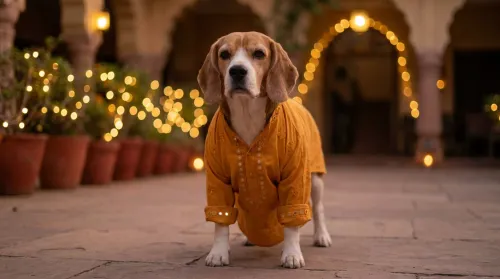
The People's Dispensary for Sick Animals (PDSA) puts the line cleanly: "If the clothes aren't designed to keep them warm or safe, then it's best to avoid dressing up your pet." And as veterinarian Dr. Ashley Darby, BVSc, notes via Dogster, "Some dogs (if not most) are uncomfortable with wearing costumes (or any clothes, for that matter)" (PDSA; Dogster).
That's the part the glossy version leaves out. The animal is not modelling. The animal is wearing the thing, all day, with no say in the matter — unless you give it one, by learning to read what it's telling you.
How to tell if your dog is OK in clothes
This is the skill worth more than any styling tip, and it costs nothing. Dogs broadcast comfort and discomfort with their bodies; you just have to look.
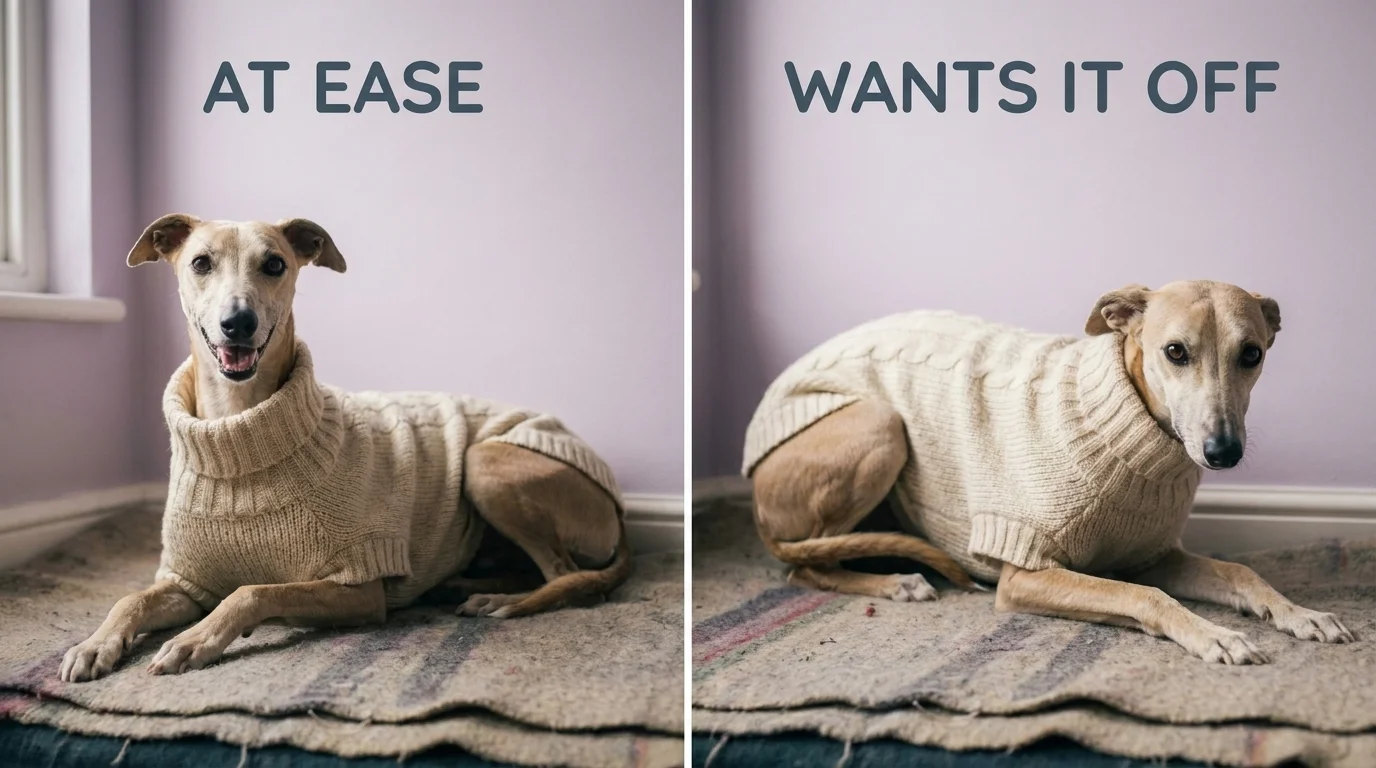
Signs your dog is fine with it:
- A loose, relaxed body and easy movement
- A "happy face" and a wagging tail
- Walking normally and ignoring the garment
Signs your dog wants it off:
- Lip-licking or yawning out of context
- Freezing in place or refusing to move ("tripod-ing" or doing the full statue)
- Ears pinned back, a tucked tail, or a low, tense posture
- Trying to bite, scratch, or back out of the clothing
As Dogster's vet-reviewed guidance frames it, the green light is "a happy face, a relaxed body, and a wagging tail" (Dogster). The decisive moment isn't the photo you take — it's the thirty seconds after you walk away, when the dog either settles or starts working to get the thing off. Watch that, and believe it.
Which dogs actually benefit from clothes (and which overheat)
Clothing isn't one-size-fits-temperament, and it isn't one-size-fits-anatomy either. Some dogs have a real, physical case for it; others are being made uncomfortable for our benefit.
Dogs that often benefit:
- Thin-coated and hairless breeds (greyhounds, whippets, Italian greyhounds, Chinese cresteds) — little natural insulation against cold.
- Small dogs — a high surface-area-to-body-mass ratio means they lose heat fast.
- Senior and ill dogs — older bodies regulate temperature less efficiently.
- Post-surgical dogs — a recovery suit can protect a wound better than a cone, with less stress.
Dogs that usually don't — and can overheat:
- Double-coated breeds (huskies, malamutes, German shepherds, Samoyeds) already carry an excellent insulating system. Adding a coat can make them overheat — they usually don't need clothing at all.
The honest rule: dress for the dog's biology and the weather, not for the season's aesthetic.
What's actually trending in 2026: function over couture
Here's the genuine shift, and it's a welcome one. The 2026 pet-fashion conversation has moved decisively away from luxury couture toward function-first wear. The trends retailers and trend-trackers are highlighting this year are practical: weather-smart and packable raincoats, insulated winter coats, sustainable fabrics (recycled, organic, bamboo, hemp), minimalist streetwear over fussy ornamentation, tech-integrated harnesses with GPS or health monitoring, and personalized fit (The Pet Closet Co.; Havenic Pet Care).
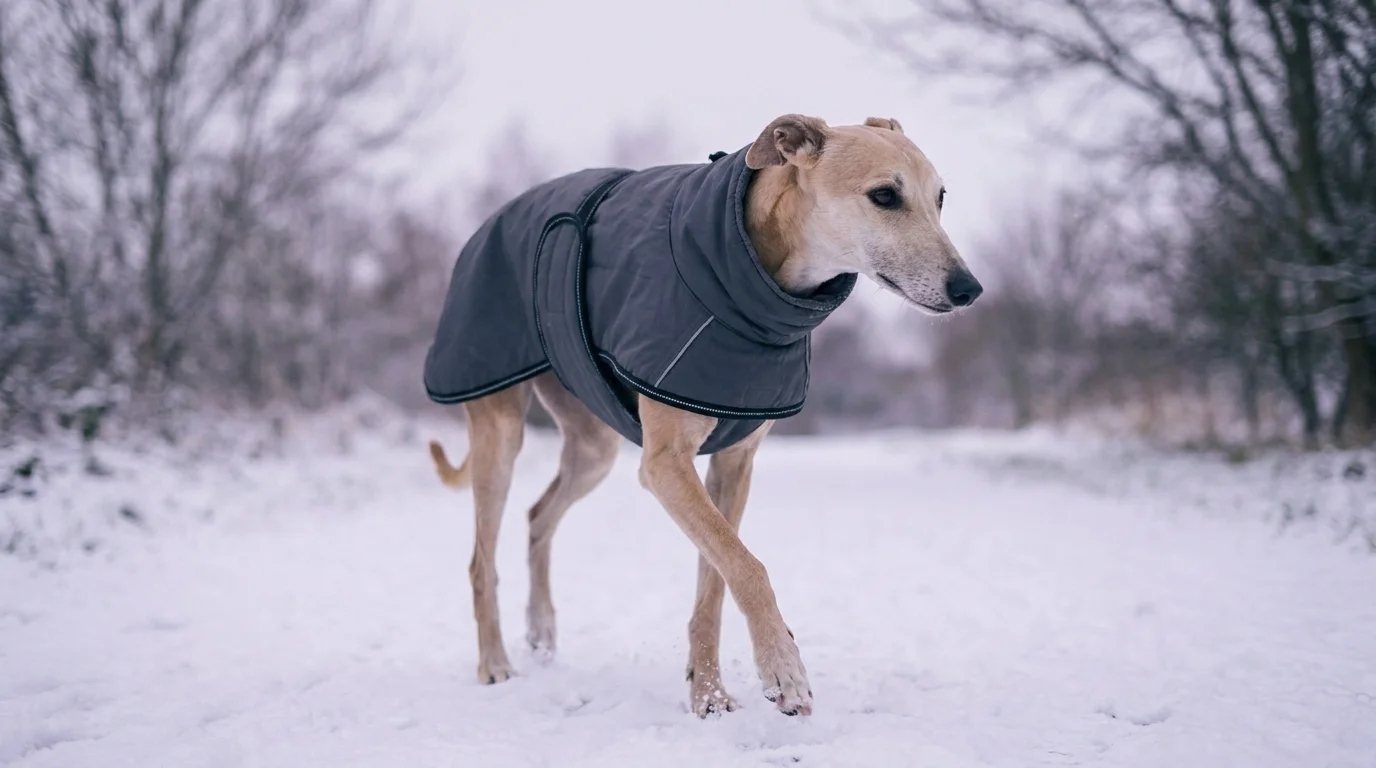
What I find encouraging about this is that "function-first" and "good for the dog" point in the same direction. A well-fitted insulated coat for a whippet in February is a trend and a kindness. The luxury-couture wave the category rode a few years ago — opulent ensembles, designer dog-wear as status object — is fading, and frankly it should: it was always more about the owner's self-image than the animal in the outfit.
The pet fashion market, briefly
The numbers explain why this exists at all. Grand View Research valued the global pet clothing market at roughly USD 2.09 billion in 2023, projecting USD 2.75 billion by 2030 — a 4.1% annual growth rate — with dogs making up about 65.9% of it, and coats, sweaters, and hoodies the fastest-growing segment (Grand View Research). That sits inside a much larger picture: total US pet spending reached about USD 158 billion in 2025, projected near USD 165 billion in 2026 (APPA).
The engine underneath it is pet humanization. APPA reports that 97% of owners now consider their pet part of the family, with Gen Z most likely to treat pets as children. That's the real reason your feed is full of dressed dogs.
One honest caveat, because the data cuts both ways: the market is growing, but search interest in pet fashion is actually softening — the phrase "pet fashion" is down year over year, and "pet fashion trends" has fallen sharply. People are buying more pet clothes while looking up the topic less, probably because they've settled into the practical version of it. Dressing animals is not new, either — it goes back to antiquity (Wikipedia). What's new is our willingness, finally, to ask whether the animal minds.
The dog is the subject, not the accessory
I teach a workshop on photographing animals as subjects with their own experience of the frame, rather than as props for a human's content, and the same principle applies the moment you reach for a sweater. There's nothing wrong with a dog in clothes. There's a great deal wrong with a dog in clothes who is freezing, panting, frozen in place, or working all afternoon to get free of an outfit it never agreed to.
So dress your dog when it serves the dog: against real cold, real weather, a healing incision. Choose the function-first piece over the couture one. And then do the thing the whole pet-fashion industry forgets to mention — look at the animal, read what its body is saying, and let the answer change what you do. That's not anti-fashion. It's just treating the creature in the coat as someone whose comfort counts.
Frequently Asked Questions
Not inherently — but unnecessary decorative clothing can stress some dogs. Functional clothing for warmth, weather, or post-surgery recovery is generally fine. Watch for lip-licking, yawning, freezing, or pinned ears, which signal your dog wants it off (per PDSA and vet-reviewed guidance).
Look at the body, not the photo. A relaxed body, a happy face, a wagging tail, and normal movement mean your dog is comfortable. Lip-licking, yawning, freezing in place, a tucked tail, or trying to bite the garment off mean it's time to take it off.
Thin-coated and hairless breeds, small dogs, seniors, and post-operative dogs benefit most — from warmth or wound protection. Double-coated breeds like huskies usually don't need clothing and can overheat in it.
Function-first wear: weather-smart and packable raincoats, insulated winter coats, sustainable fabrics, minimalist streetwear, tech-integrated harnesses with GPS or health monitoring, and personalized fit — rather than the luxury couture of previous years.
Grand View Research valued the global pet clothing market at about USD 2.09 billion in 2023, projected to reach USD 2.75 billion by 2030 (4.1% annual growth), with dogs making up roughly 66% of it and coats, sweaters, and hoodies the fastest-growing segment.