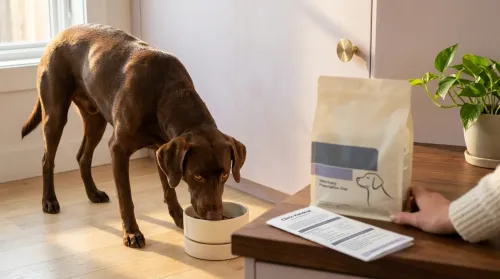
Gen Z and the Pet Innovation Boom: Shaping Tomorrow's Pet Care Landscape


The U.S. pet industry hit $158 billion in spending in 2025, across about 95 million households. The interesting question is no longer whether that number grows — it has, reliably, for years — but who is now driving it. The answer, increasingly, is Gen Z. Gen Z pet owners have grown to roughly 25% of the U.S. total and are the fastest-growing segment of the market. If you want to read where pet industry trends are heading, follow this generation's money — and the conditions they attach to spending it.
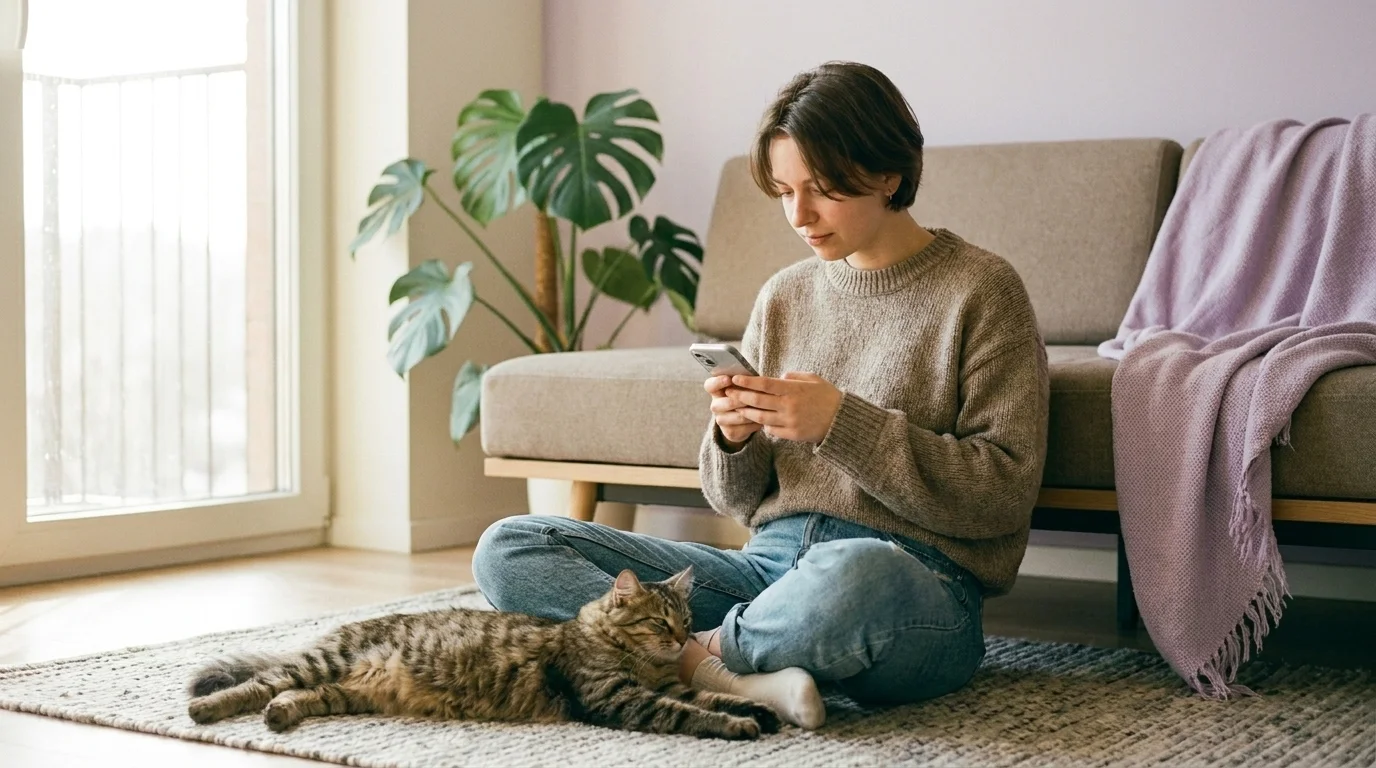
Why Gen Z treats pets like family — and why that matters
Start with the value, because everything downstream follows from it. According to Rover's 2026 pet-parenting research, seven in ten Gen Z adults say they'd rather have pets than children, and this cohort is far more likely than older generations to describe a pet as their kid rather than their companion. That framing isn't sentiment for its own sake. When a pet is a dependent rather than an accessory, the owner buys like a parent: health-first, premium-leaning, and willing to spend.
This is the root driver the older "digital natives love gadgets" story missed. Gen Z isn't reshaping pet care because they like apps. They're reshaping it because they've redefined what a pet is — and the spending data is just that redefinition showing up on a receipt.
How much do Gen Z pet owners actually spend?
More than anyone above them. Gen Z pet owners spend about $178 a month on their animals — compared with $146 for Millennials, $115 for Gen X, and $90 for Boomers. On an annual basis, a 2024 Harris Poll put Gen Z's spend near $1,885 — against a U.S. average of $1,163, close to three times what the oldest owners spend.
| Generation | Avg. monthly pet spend | Carry pet insurance |
|---|---|---|
| Gen Z | $178 | 42% |
| Millennial | $146 | 31% |
| Gen X | $115 | — |
| Boomer | $90 | — |
The insurance figure is the tell. At 42%, Gen Z carries pet insurance at the highest rate of any generation — ahead of Millennials at 31%. Insurance is a forward-looking, risk-managing purchase; you buy it when you've decided the animal is staying and the vet bills are coming. It is the clearest financial evidence that the "pets as family" framing is real money, not just a survey sentiment.

Related Article: E-commerce in Pet Care: Navigating Opportunities and Challenges
Do Gen Z pet owners really care about sustainability — or just say they do?
Here is where it gets specific, because "values-driven" is the kind of phrase a marketer uses and a reporter should distrust. The data holds up. A Morning Consult survey found that about 60% of Gen Z pet parents usually consider eco-friendly options when buying pet food and treats, and roughly a third home-cook their pets' meals partly to cut the environmental footprint. Crucially, 55% say they'll pay more for brands with genuine social and environmental commitments.
That willingness-to-pay-more line is the one to underline. It means Gen Z spending isn't just high — it's conditional. The premium is available, but it comes with a screening test. Demand for eco-certified and sustainably packaged pet products among younger owners rose to about 67% in 2025, up from 39% in 2020 — a near-doubling in five years. The eco-friendly pet products market is projected to grow from $16.8 billion in 2025 to $38.6 billion by 2034, a 9.7% compound annual growth rate. That curve is what a purchase filter looks like when you zoom out.
A fair caveat: most of these figures come from brand and market-research surveys, and stated intent always runs ahead of checkout behaviour. But the direction and the magnitude are consistent across independent sources, which is more than the original "Green Paws" framing offered.
How does Gen Z discover and buy pet products?
On social, and not in the way the old "adoption advocacy" framing suggested. For Gen Z, TikTok, Instagram and YouTube function as combined discovery-and-purchase channels — they research, get influenced, and buy without leaving the feed. Adoption storytelling still happens there, but it's one use of a platform that has become the whole funnel.
The technology angle is narrower than the original article implied. About 40% of Gen Z pet owners use pet-care apps — for health tracking, scheduling, and vet access. That's a behavioural fact about how this generation adopts tools, not an endorsement of any particular smart feeder or wearable. The gadget showcase belongs to a different conversation; what matters here is that Gen Z defaults to digital infrastructure for managing an animal they take seriously.
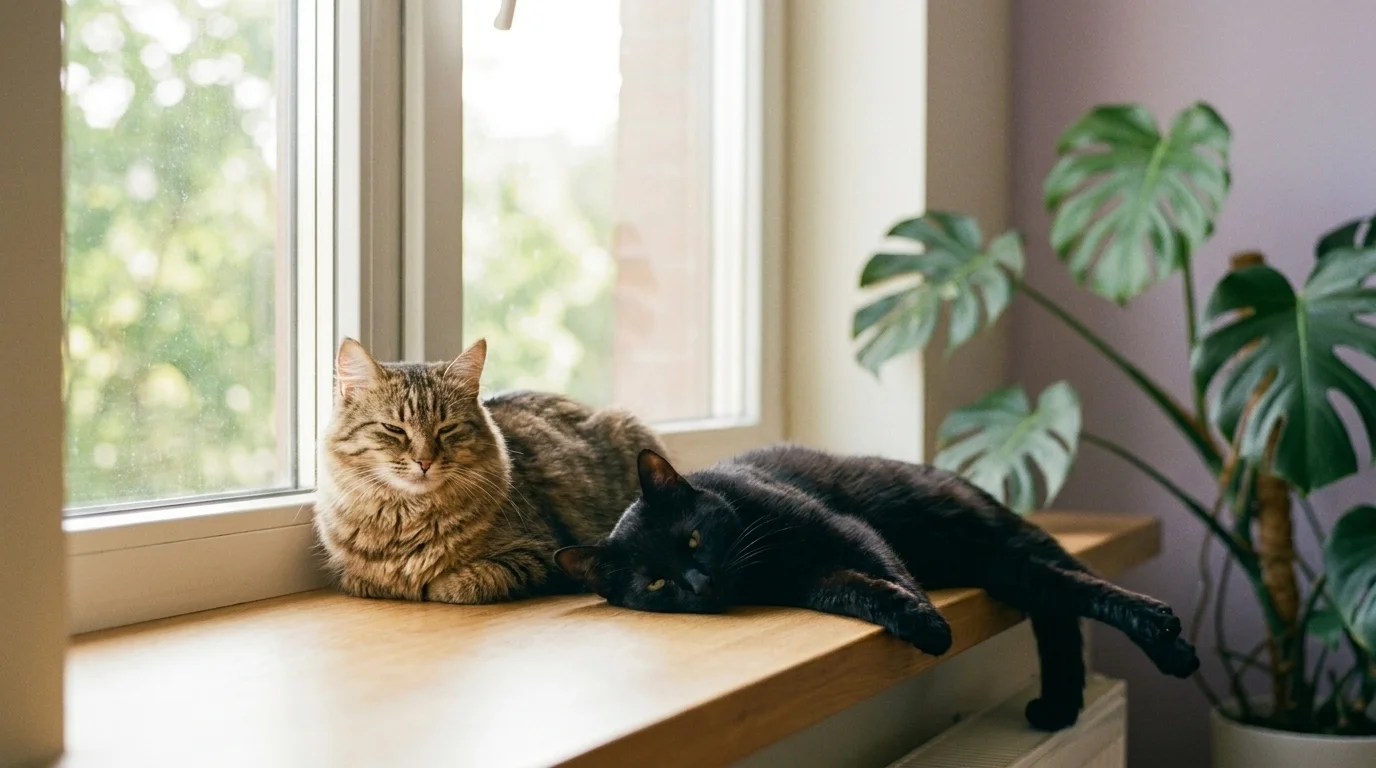
Which pets is Gen Z actually choosing?
Increasingly, cats. APPA reports cats are now in 39% of U.S. households — about 53 million homes — with Gen Z and Millennials named as the drivers of that growth. And they don't stop at one: 70% of Gen Z owners keep two or more pets. For an industry used to a dog-first, single-pet household model, a multi-pet, cat-heavy, apartment-dwelling buyer is a meaningful reorientation — more litter, more food, more insurance policies, more of everything the $158 billion figure is made of.
What this means for the reader
The pattern underneath all of it is a single causal chain: Gen Z sees pets as children, so they spend at record levels, but that spending is conditional on sustainability and ethics, and it's discovered and transacted on social media. No single data source states it that way — APPA has the dollars, Rover has the sentiment, Morning Consult has the eco behaviour — but stitched together, it's the clearest explanation of who is moving this market and on what terms.
If you're a Gen Z owner, the useful question to ask yourself is the one your wallet already implies: when you pay the premium for the sustainable or the health-first option, do you actually know what the brand is claiming — and whether the label backs it up? That's the discipline that turns a value into a verified purchase. And if you're a brand watching this generation, the test is the same one they're applying to you: can you prove the commitment, or are you just printing the word on the bag?
Frequently Asked Questions
Gen Z spends about $178 per month — roughly $1,885 a year, nearly three times what Boomers spend. They're also the most likely generation to carry pet insurance (42%). (Harris Poll 2024; Rover 2026)
Yes — about 60% of Gen Z pet parents usually choose eco-friendly food and treats, and 55% will pay more for brands with social and environmental commitments. (Morning Consult 2024)
Seven in ten Gen Z adults say they'd rather have pets than children, viewing pets as their kids — which drives premium food, health-first care, and higher overall spending. (Rover 2026)
Mostly on social media — TikTok, Instagram and YouTube double as discovery and purchase channels — and roughly 40% of Gen Z owners use pet-care apps too. (PetfoodIndustry 2026)